Visit Ladakh in October, 2026: Choosing the right time to visit Ladakh is the difference between seeing a “frozen moonland” and a “blooming Himalayan oasis.”
Ladakh Season Overview
| Season | Months | Weather Conditions |
|---|---|---|
| Peak Season | May – September | Pleasant (15°C to 25°C) |
| Winter Season | October – April | Extreme cold (-10°C to -30°C) |
| Shoulder Season | April & October | Cold with mild transitions |
Ladakh Season By Choice
| If you want… | Visit in… |
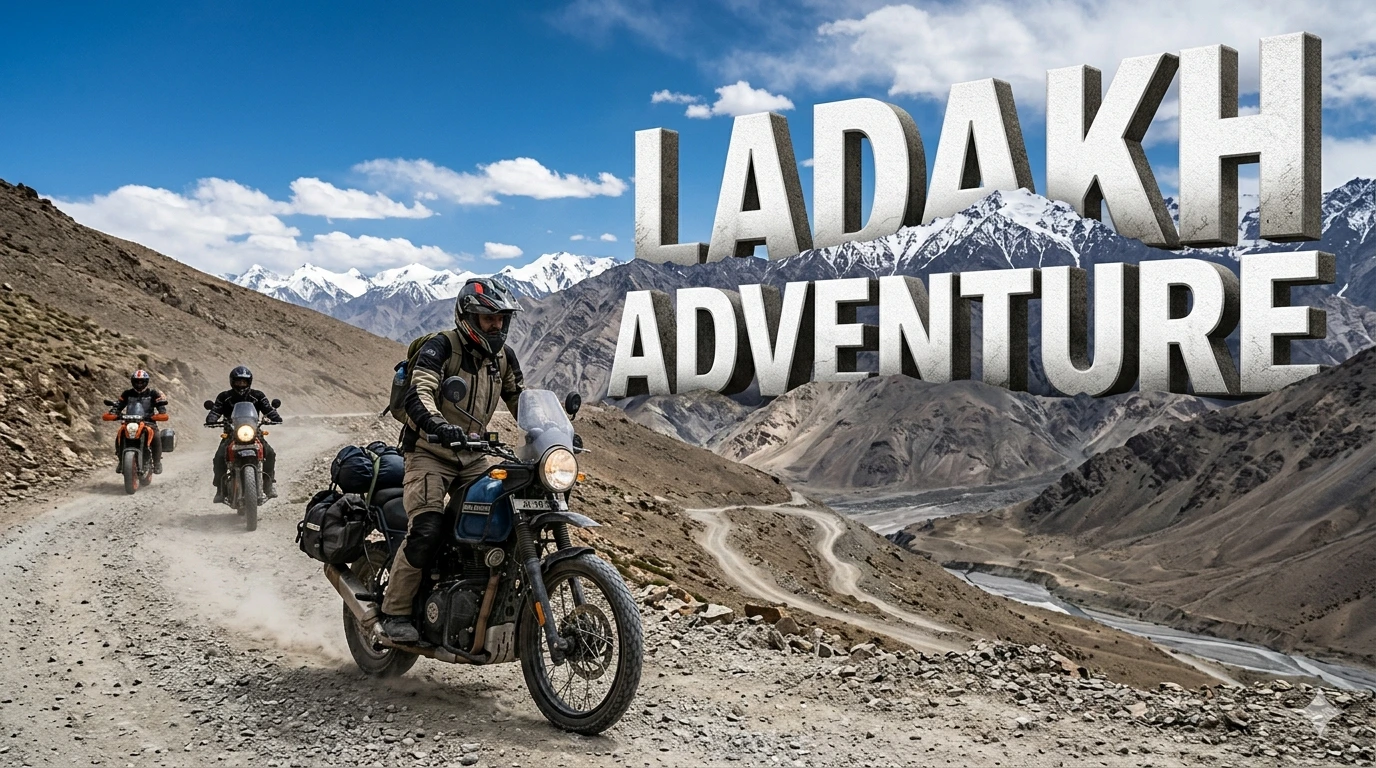
| Biking & Road Trips | June – August |
| Apricot Blossoms | April |
| Astrophotography | September – October |
| Snow & Ice Trekking | January – February |
Ladakh Weather by Month
| Month | Average Temperature (°C) | Weather Conditions | Travel Notes |
|---|---|---|---|
| January | -20°C to -5°C | Deep winter, frozen lakes, heavy snow | Access by air only, great for Chadar Trek |
| February | -15°C to -3°C | Snow continues, daytime slightly warmer | Winter treks and photography possible |
| March | -10°C to 5°C | Start of thawing, crisp cold days | Limited access, early adventurers enjoy solitude |
| April | -2°C to 12°C | Pleasant days, melting snow | Srinagar-Leh road may open late April |
| May | 5°C to 18°C | Roads reopen, sunny days | Beginning of tourist season |
| June | 8°C to 25°C | Ideal weather, accessible passes | Perfect for sightseeing and road trips |
| July | 10°C to 25°C | Warmest month, occasional showers | Best time for Pangong, Nubra & Tso Moriri |
| August | 9°C to 24°C | Slightly cloudy, vibrant festivals | Great for Hemis Festival & Leh exploration |
| September | 4°C to 18°C | Clear skies, fewer tourists | Great visibility and photography |
| October | -2°C to 12°C | Autumn hues, cold nights | Last month before roads close |
| November | -10°C to 5°C | Snow begins, quiet landscapes | Off-season starts |
| December | -15°C to -5°C | Frozen terrain, extreme cold | Only air connectivity remains |
Ladakh Season
| Season | Months | Temperature Range | Highlights | Travel Suitability |
|---|---|---|---|---|
| Winter | November – February | -20°C to -5°C | Heavy snowfall, frozen rivers, Chadar Trek | ❄️ Only for adventure lovers |
| Spring | March – April | -2°C to 12°C | Melting snow, blooming valleys, clear skies | 🌷 Good for early travelers |
| Summer | May – August | 5°C to 25°C | Peak tourism, open mountain passes, vibrant festivals | ☀️ Ideal for all travelers |
| Autumn | September – October | -5°C to 15°C | Golden landscapes, clear weather, fewer tourists | 🍂 Perfect for photography & serenity |
1. Peak Season: June to September (The Road Trip Window)
This is the “Goldilocks” zone for Ladakh. If you are planning a bike trip or your first visit, this is your window.
Road Status: Both the Srinagar-Leh and Manali-Leh highways are fully operational by early June. The Manali-Leh route (via the Atal Tunnel) is expected to be fully stabilized for tourists by late May 2026.
Weather: Pleasant days (20°C to 25°C) and cool nights (5°C to 10°C).
Highlights: * Pangong Tso & Tso Moriri: The lakes are at their most vibrant blue.
Hemis Festival: Typically held in late June/early July, it’s a riot of color and masked dances.
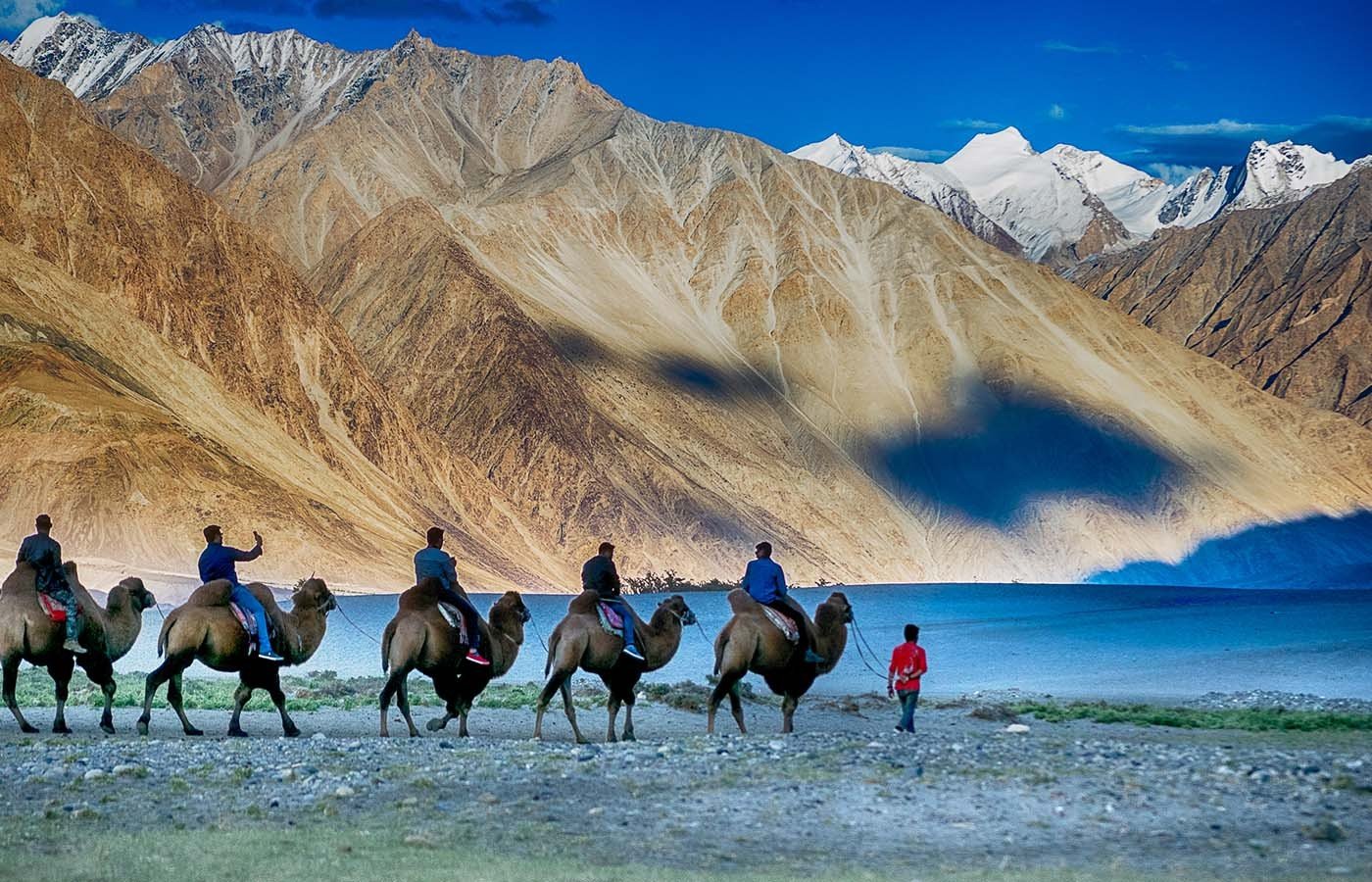
Nubra Valley: The sand dunes of Hunder are perfectly accessible.
2. Shoulder Season: April to May (The Blossom & Snow Window)
This is for the traveler who wants the best of both worlds: snow-capped views without the sub-zero winter temperatures.
The Pink Bloom: In April, the valleys of Turtuk and Sham turn pink with Apricot Blossoms.
The Snow Walls: If you visit in early May, you can see massive walls of snow at the Zoji La and Khardung La passes as the roads have just been cleared.
Pro Tip: This is the best time for photography. You get the contrast of fresh pink blossoms against stark, snow-covered peaks.
3. The Stargazer’s Window: September to October (Autumn & Hanle)
Autumn is arguably the most underrated time to visit. The air is at its clearest, making it the prime time for astrophotography.
Hanle Dark Sky Reserve: While accessible all summer, the cold, dry air of September and October provides the most stable atmosphere for viewing the Milky Way.
Landscape: The poplar trees turn a fiery golden-yellow, creating a stunning contrast with the desert landscape.
Crowds: Significantly fewer tourists than July, and accommodation prices often drop by 20–30%.
4. The Adventure Window: January to February (Winter & Chadar)
This is only for those who can handle the “biting” cold (down to -25°C).
Chadar Trek: Walking on the frozen Zanskar River is a once-in-a-lifetime experience available only in late January and early February.
Wildlife: This is the best time to spot the elusive Snow Leopard, as they descend to lower altitudes in search of food.
Note: You must fly into Leh; all road routes are officially closed for winter.
If you want to avoid the massive crowds of July but still have full road access, then aim for the first two weeks of September. The weather is stable, the roads are in great condition after the monsoon, and the night sky is at its absolute best.