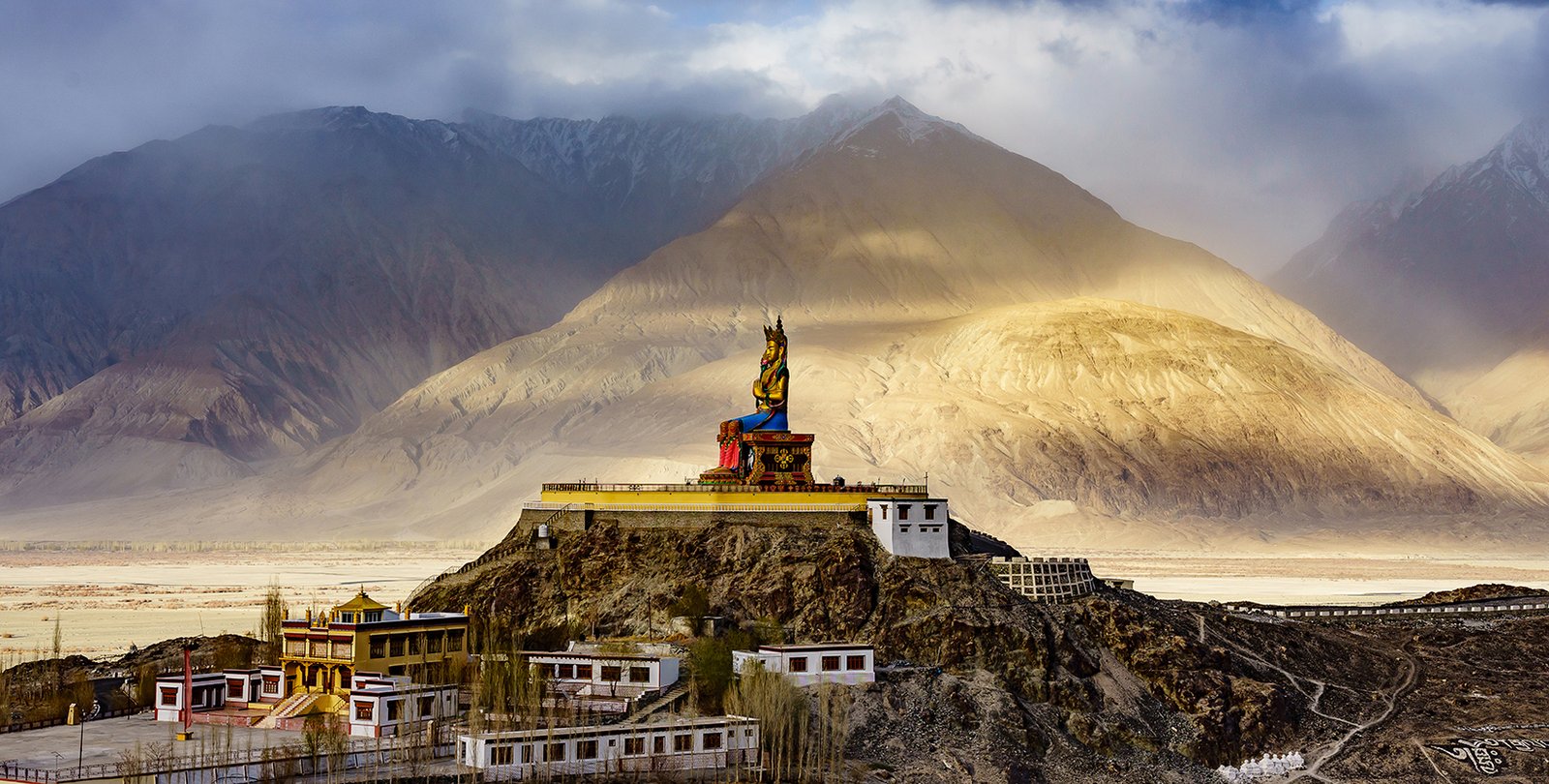
There are festivals. | There are art exhibitions. | And then there is the sā Ladakh Biennale — an event where mountains, monasteries, deserts and villages themselves become part of the canvas.
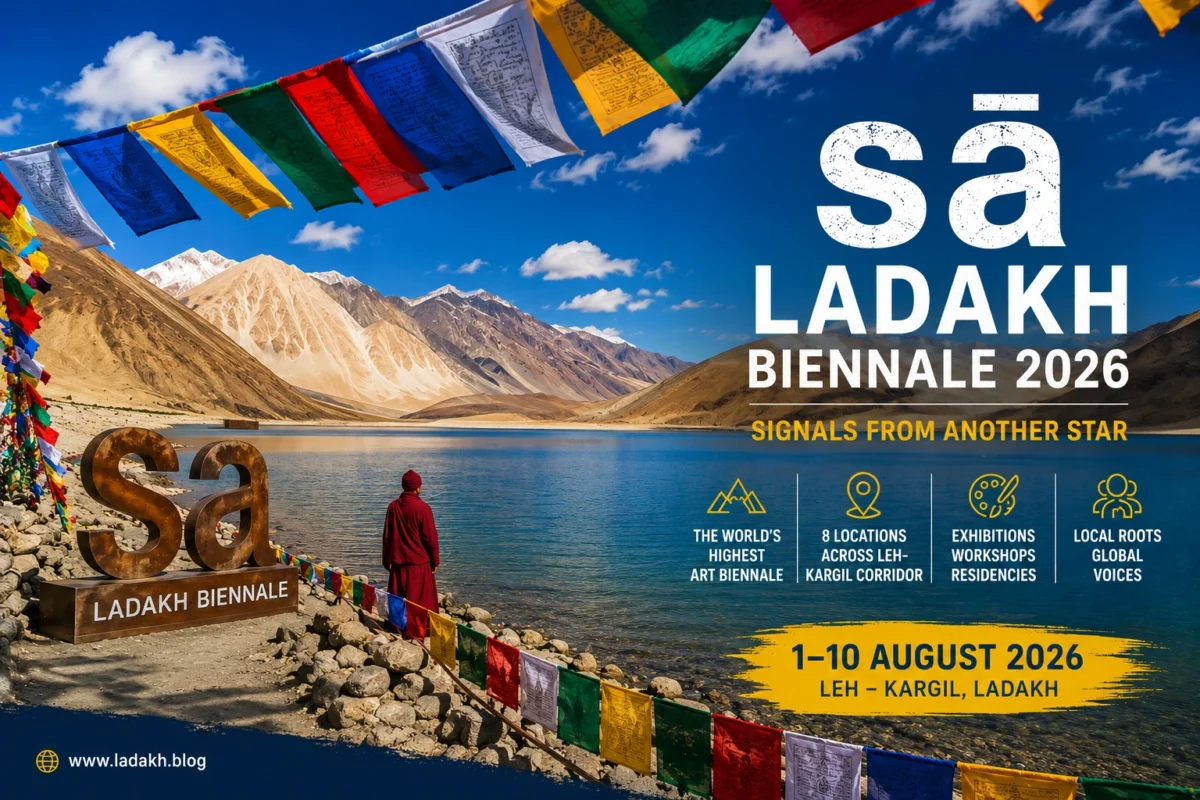
In August 2026, the high-altitude region of Ladakh will once again transform into one of the world’s most extraordinary cultural destinations as the third edition of the sā Ladakh Biennale returns from August 1 to August 10, 2026. Spread across the iconic Leh–Kargil corridor, the biennale is widely recognised as the world’s highest art biennale, blending contemporary creativity with the timeless landscapes of the Himalayas.
More Than Just An Art Festival
Most travellers know Ladakh for its snow-capped peaks, ancient monasteries, crystal-clear lakes and dramatic mountain roads. But the sā Ladakh Biennale introduces visitors to another side of the region — one rooted in storytelling, sustainability, culture and community.
Unlike conventional art events held inside museums or galleries, this biennale uses Ladakh itself as the exhibition space. Installations, workshops and artistic experiences unfold across villages, heritage sites and mountain settlements located more than 3,000 metres above sea level.
The word “sā” means soil in Ladakhi, reflecting the festival’s deep connection with land, ecology and local identity.
Theme Of sā Ladakh Biennale 2026

“Signals From Another Star”
The 2026 edition revolves around the theme “Signals From Another Star.”
It explores ideas connected to:
- Climate awareness
- Regeneration and sustainability
- Memory and heritage
- Learning and lived experiences
- Human relationships with fragile landscapes
In a region increasingly affected by climate change, glacier retreat and tourism pressure, the theme feels especially relevant. Rather than simply showcasing art, the biennale encourages visitors to think about how travel, environment and culture intersect in modern times.
Eight Stunning Locations Across Ladakh
One of the most fascinating aspects of the biennale is its multi-location format.
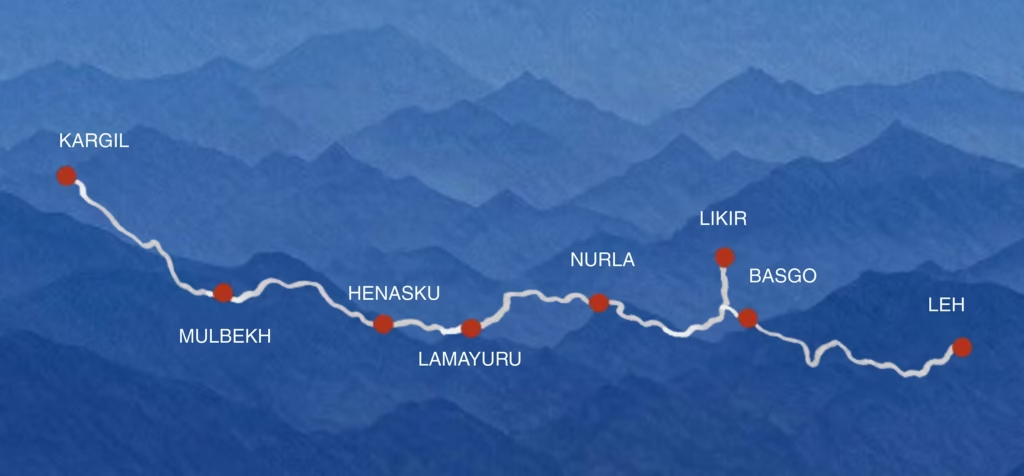
Instead of remaining confined to a single city, the event stretches across eight destinations along the Leh–Kargil route.
| S. No. | Location | Highlights |
|---|---|---|
| 1 | Leh | Main cultural hub and gateway to the festival |
| 2 | Kargil | Historic mountain town with evolving art spaces |
| 3 | Mulbekh | Known for ancient rock carvings and monasteries |
| 4 | Heniskot | Scenic Himalayan village setting |
| 5 | Lamayuru | Famous moonland landscapes and monastery |
| 6 | Nurla | Peaceful village along the Indus Valley |
| 7 | Likir | Home to the iconic Likir Monastery |
| 8 | Basgo | Historic ruins and cultural heritage zone |
Together, these destinations create a 230-kilometre artistic trail through the Himalayas.
Artists Bringing Ladakh To Life
The 2026 programme will feature a balanced mix of Ladakhi and international artists, continuing the biennale’s mission of connecting local voices with global perspectives.
Featured Ladakhi artists include:
- Tundup Dorjay
- Chemat Dorjey
- Stanzin Samphel
- Urgain Zawa
International participants include:
- Jitish Kallat
- Anna Jermolaewa
- Studio Eidola
The biennale is curated by Vishal K Dar, with Tsering Motup Siddho serving as associate curator.
What Visitors Can Expect
sā, meaning soil in the Ladakhi language, is the world’s highest regenerative art biennale above 3000m,
focusing on the theme of climate, culture and community.
The sā Ladakh Biennale is designed as a participatory cultural experience rather than a passive exhibition.
Visitors can expect:
- Contemporary art installations
- Community-led programmes
- Artist residencies
- Workshops and cultural discussions
- Himalayan storytelling sessions
- Sustainability-focused initiatives
The atmosphere is expected to feel intimate, immersive and deeply connected to Ladakh’s environment.
Travel Guide For Visitors
Nearest Airport
The closest airport is:
- Kushok Bakula Rimpochee Airport
How To Reach
Travellers can access the biennale route through:
- The Leh–Manali Highway
- The Srinagar–Leh Highway
- Rental bikes and taxis
- Local buses and shared transport
Important Things To Know
| Information | Details |
|---|---|
| Event Dates | 1 August – 10 August 2026 |
| Entry Fee | Free |
| Main Region | Leh–Kargil Corridor |
| Weather | Sudden rain, cold winds and temperature shifts possible |
| Best Preparation | Warm layers, sunscreen, hydration and acclimatisation |
Organisers have advised visitors to prepare for rapidly changing mountain weather conditions, even during summer.
GUIDE FOR VISITORS
Ecosystem
Ladakh is a fragile high-altitude ecosystem (around 3600m). Visitors are encouraged to travel slowly and respectfully, keeping in mind the local culture, environment, and limited natural resources.
Greetings
Use local greetings to build warmth: Juley (hello / thank you / bye), Salam Aleikum (hello), Shukriya (thank you) and Khuda Hafiz (bye).
| Greeting | Meaning |
|---|---|
| Juley | Hello / Thank you / Goodbye |
| Salam Aleikum | Greeting |
| Shukriya | Thank you |
| Khuda Hafiz | Goodbye |
Flights
The nearest airport is Kushok Bakula Rimpochee Airport. Regular flights operate from cities like Delhi. Due to weather and altitude, delays or cancellations are common, plan buffer time.
Health and Acclimatization
Due to the high altitude, rest during the first 24–48 hours, stay hydrated, and avoid heavy physical activity initially.
Road Routes
Ladakh is accessible via two main highways: the Manali–Leh Highway and the Srinagar–Leh Highway. These routes are seasonal (generally open between May–October) and require careful acclimatization.
| Route | Key Details |
|---|---|
| Manali–Leh Highway | Scenic seasonal mountain route |
| Srinagar–Leh Highway | Gradual altitude gain and cultural landscapes |
Local Transport
Transport options include shared taxis, private cabs, rental bikes, and limited public buses. Shared taxis are a common and economical way to travel between villages. Always rely on experienced local drivers for remote or high-altitude routes.
Clothing
Weather in Ladakh can change quickly. Carry warm layers, a good jacket, and comfortable sturdy shoes.
Wind Protection
Carry a mask or scarf to protect yourself from strong winds and dust.
Skin Protection
Due to the dry climate and strong high-altitude sun exposure, use moisturizers or natural oils such as local apricot oil. Apply a high SPF sunscreen. Wearing sunglasses, a hat, or a scarf is highly recommended to protect against UV rays and prevent sunburn.
Rain Protections
Carry a raincoat and preferably an umbrella in case of sudden weather changes.
Women’s Health and Hygiene
Women visitors are encouraged to carry personal hygiene products and dispose of them responsibly, especially in remote locations. Reach out to team in case of help.
Water Use
Water is scarce in Ladakh. Please use water carefully and mindfully. Carry a resuable water bottle.
Protecting Nature
Do not collect stones, flowers, or plants. Avoid disturbing wildlife and stay on established paths.
Environmental Responsibility
Avoid single-use plastic and carry reusable water bottles whenever possible.
Food and Drinking Water
Prefer freshly prepared local meals and drink boiled or filtered water.
Respectful Adreess
Elders can be respectfully addressed as Ache (elder sister) or Kaka / Ka (elder man). You may also add Ly after a name as a respectful suffix (for example: Stanzin Ly)
Photography
Always ask permission before taking photographs of people, homes, or farms. In villages, photography should preferably be done with the consent and guidance of a sā Ladakh team member. Avoid photographing children without guardian permission.
Entering Homes and Villages
Always ask before entering houses, gardens, or private areas. Respect the privacy and hospitality of local residents.
Monasteries and Sacred Sites
Dress modestly, remove shoes when required, and avoid touching religious objects such as statues, books, or ritual items. Maintain silence and respect during prayers.
Mosques
Dress respectfully, remove shoes and cover head before entering prayer areas. Ask permission before taking photographs.
Support Local Economy
Choose local food, crafts, stays, and products to directly support the community
Smoking and Drinking
Avoid smoking and drinking alcohol in public village spaces. If consumed, it should be limited to private settings.
Interacting with Children
Be gentle and respectful, give children space, speak at their eye level, and engage kindly without being intrusive.
Being a Responsible Guest
Travel with humility, patience, and respect. Ladakh is not only a landscape but a living home for many communities.
ARTISTS 2026
Zahara Batool | Avantika Bawa | Shupiwe Chongwe | Hylozoic/Desires (Himali Singh Soin and David Soin Tappeser) | Tundup Dorjay | Chemat Dorjey | Amrit Karki | Studio Eidola (Jonas Kissling and Denizay Apusoglu) | Tom Mùller | Stanzin Samphel | Stanzin Tsepel | Stanzin Wangail | Urgain Zawa
PROJECTS
Jigmet Angmo | Ayan Biswas | Anna Jermolaewa | Jitish Kallat | Peter Kogler | Agnieszka Kurant | Tashi Namgial |
Tenzin Olden | Skarma Sonam Tashi | Grazia Toderi | Arunima Dazess Wangchuk
Why This Biennale Matters
The sā Ladakh Biennale is not merely about art. It represents a larger movement — one that reimagines tourism in Ladakh beyond sightseeing and social media checklists.
It invites travellers to slow down, listen to local stories, engage with mountain communities and reflect on the environmental future of the Himalayas.
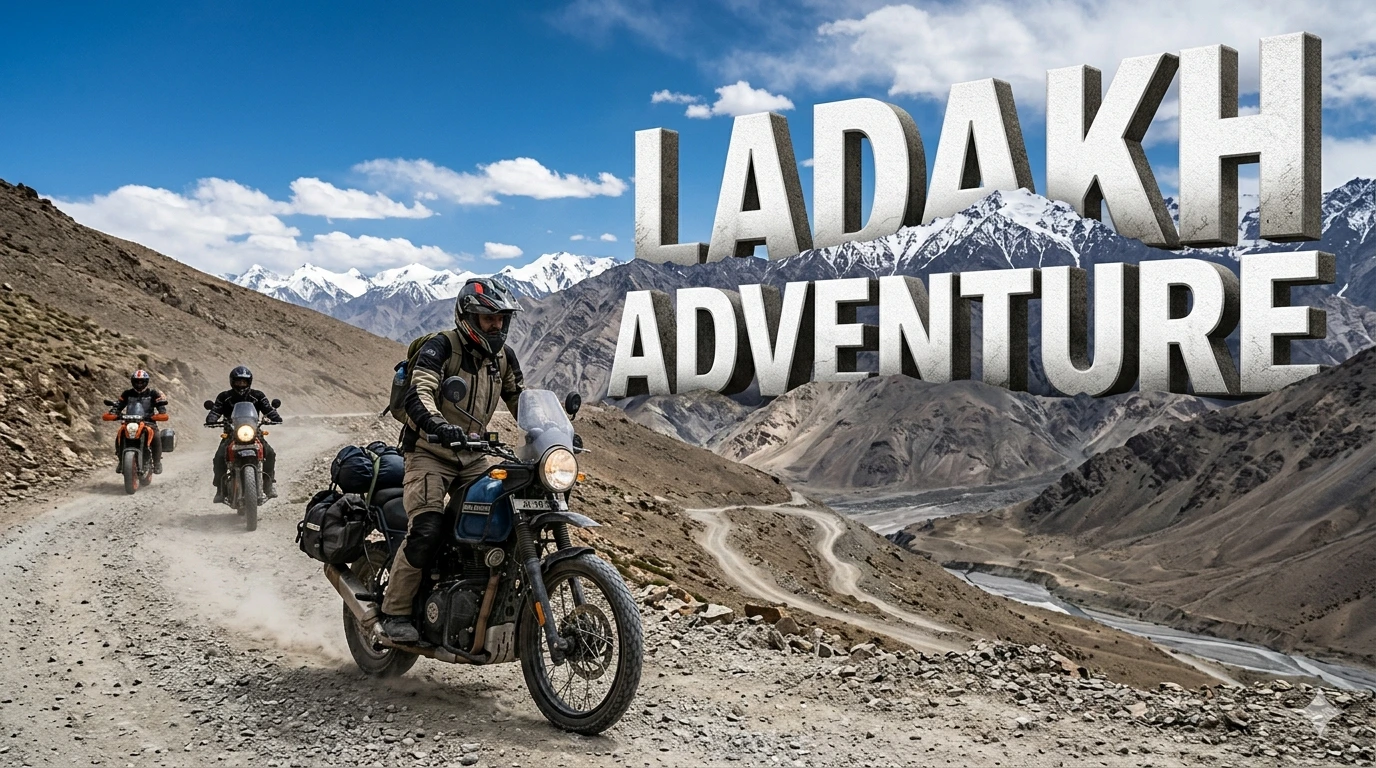
In a destination often associated with adventure bikes and high-altitude passes, the biennale offers something quieter yet more meaningful — a cultural journey shaped by landscape, memory and imagination.
For travellers looking to experience Ladakh differently in 2026, this may become one of the most unforgettable events in the Himalayas.